
《大空头》原型罕见发声:我已做空AI泡沫,下一个'百年一遇'的机会在哪里?
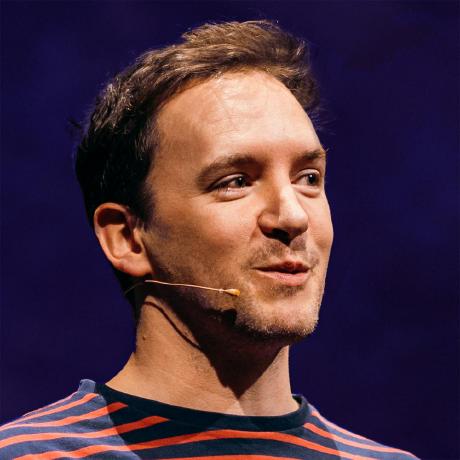
《大空头》原型罕见发声:我已做空AI泡沫,下一个“百年一遇”的机会在哪里?
Більше десяти років тому книга «Великий короткий» та однойменний фільм познайомили світ з Майклом Беррі (Michael Burry), легендарним інвестором, який став відомим під час іпотечної кризи. Його роль у фільмі блискуче зіграв Крістіан Бейл, але в реальному житті він обрав надзвичайно стриманий стиль, майже ніколи не даючи інтерв'ю.
Однак нещодавно цей «великий короткий» несподівано дав інтерв'ю подкасту автора оригіналу Майкла Льюїса (Michael Lewis). Причина була досить драматичною: Беррі став популярним у соцмережах через короткі позиції проти AI-гігантів NVIDIA та Palantir, і його бажання залишитися в тіні повністю зникло. «Таке трапляється тільки зі мною», - з відчаєм сказав він.
Ця рідкісна розмова не лише згадала історію «Великого короткого», але й розкрила його глибокі погляди на поточний ринок, особливо на AI-бульбашку, політику Федеральної резервної системи та навіть біткойн. Нам пощастило перетворити цю інформаційну бесіду на текст, щоб ви могли заглянути у справжній світ цієї легендарної особистості.
一、回顾《大空头》:那是一场“百年一遇”的交易
У інтерв'ю Льюїс спочатку запитав, як книга та фільм «Великий короткий» вплинули на життя Беррі. Беррі зізнався, що через свій аутизм він дуже добре вміє жити у своєму світі, відгороджуючи себе від зовнішнього шуму. Він подивився фільм лише один раз на прем'єрі, а книгу прочитав лише під час публікації, після чого продовжив свій шлях, не дозволяючи цій славі надто вплинути на себе.
Коли його запитали про ту вражаючу угоду з короткими позиціями, Беррі підкреслив її унікальність, назвавши це «столітньою можливістю».
- Створення інструментів: Тоді на ринку не було готових інструментів для коротких позицій проти субстандартних іпотечних облігацій. Беррі не лише передбачив кризу, але й активно звернувся до Уолл-стріт, спонукаючи їх винайти для нього фінансовий інструмент «кредитного дефолту» (Credit Default Swap, CDS), що стало своєрідним страхуванням для цих сміттєвих облігацій. Пізніше інші персонажі з «Великого короткого» також скористалися цим інструментом, щоб увійти на ринок.
- Точний момент: На відміну від більшості бульбашок, час вибуху іпотечної кризи можна було передбачити. Беррі, глибоко досліджуючи, створив теорію часу про те, «коли все впаде». Це дозволило йому точно визначити момент, уникнувши ризику банкрутства через тривале божевілля на ринку.
- Низька вартість: Коли в кінці 2005 року він створив більшість своїх позицій, майже ніхто не вірив, що це станеться. Він навіть отримав дзвінок від Goldman Sachs, який запитав: «Що ти робиш?» Тому що він був єдиним, хто купував ці страхування в великих обсягах без хеджування. Це дозволило йому здійснити цю «вражаючу угоду» за дуже низькою вартістю.
Однак ця велика перемога не принесла йому квітів і оплесків. Беррі розповів, що під час угоди його інвестори були вкрай розлючені на нього, навіть коли він заробив величезні гроші, ніхто не подзвонив, щоб вибачитися. Цей досвід розчарував його, і врешті-решт він вирішив закрити фонд, а коли в 2013 році знову відкрився, працював лише з небагатьма інвесторами, яких знав і яким довіряв, зберігаючи малий масштаб.
二、做空AI泡沫:Palantir和英伟达的“幸运”与真相
Тема перейшла до найбільш актуального AI-ринку. Беррі став центром уваги через свої 13F документи, в яких розкрив короткі позиції проти Palantir та NVIDIA. Він спочатку прояснив неправильне тлумачення медіа: він не має короткої позиції на мільярд доларів, а лише серйозно завищені глибокі поза грошима пут-опціони, фактичні витрати можуть становити лише 10 мільйонів доларів.
Чому він не вважає ці дві AI-компанії перспективними?
Palantir: абсурдне співвідношення мільярдерів та доходів
- Беррі вважає, що бізнес-модель Palantir має проблеми: вартість установки програмного забезпечення є надзвичайно високою, і вона потребує дорогих консультаційних послуг.
- Він виявив вражаючий факт: ця компанія з річним доходом близько 4 мільярдів доларів має п'ять мільярдерів, що є безпрецедентним співвідношенням мільярдерів до доходів.
- Причина в тому, що компанія використовує величезні «стимули акцій» для виплати зарплат своїм працівникам, що практично поглинає всі доходи. Уолл-стріт часто додає ці «негрошові» витрати назад при розрахунку прибутків, що прикрашає фінансові звіти. Але якщо врахувати грошові потоки, які компанія витрачає на викуп акцій для компенсації розмивання акцій, Palantir в історії «нічого не заробила».
英伟达:被时代选中的“幸运儿”
- Беррі називає NVIDIA та Palantir «двома найщасливішими компаніями на Землі», оскільки спочатку вони не виробляли продукти для AI.
- NVIDIA спочатку була відмінною компанією з виробництва графічних чіпів, спочатку щасливо потрапила в епідемію видобутку криптовалюти, а потім знову щасливо була обрана революцією штучного інтелекту.
- Palantir також так само, ще рік-два тому це не була AI-компанія, поки не з'явився ChatGPT, і вони не додали AI-оболонку до своїх існуючих застосувань і не почали продавати так звані AI-консультаційні послуги.
Беррі вважає, що нинішній бум AI дуже схожий на інтернет-бульбашку 2000 року. Тоді бульбашка в основному була пов'язана з бурхливим будівництвом передачі даних (оптоволокна), а сьогодні це бурхливі капіталовкладення в обчислювальну потужність AI. Історичні дані показують, що піки відповідних фондових ринків часто відбуваються перед піком капіталовкладень. Наразі ринок перебуває на «ірраціональному етапі», коли «оголошення про один долар капіталовкладень в AI призводить до збільшення ринкової вартості на три долари». Він вірить, що двох років для коротких позицій проти цієї бульбашки буде достатньо.
三、市场洞察:远离喧嚣,寻找价值
Окрім оцінки AI, Беррі також поділився своїм баченням більш широкого ринку, його думки залишаються гострими та унікальними.
- Про Федеральну резервну систему: він вважає, що Федеральна резервна система завдала багато шкоди за останнє століття, навіть прямо заявив, що «нам не потрібна Федеральна резервна система», і що одного відділу Міністерства фінансів буде достатньо. Він вважає, що наразі немає причин для зниження процентних ставок, нейтральна ставка для американської економіки може бути близько 4%, а зниження ставок вб'є заощаджувачів і може викликати більш складні проблеми через боргову ситуацію.
- Про борг США: він визнає, що фінансовий стан уряду є «абсурдним», щорічні витрати на відсотки становлять 1 трильйон доларів. Але він вважає, що через статус долара як резервної валюти та силу США, ставити на крах Америки в короткостроковій перспективі не є розумним, як «очікувати смерті Кастро не є стратегією».
- Про Google: хоча Berkshire Hathaway, компанія Баффета, купила акції Google, Беррі ставиться до цього з обережністю. Він зазначив, що більше не використовує пошук Google, а переходить на ChatGPT та інші великі мовні моделі. Він вважає, що AI зруйнує низьковартісну бізнес-модель пошуку Google, оскільки витрати на запити AI значно вищі, ніж традиційний пошук, а «золота курка» Google (пошук) під загрозою.
- Про біткойн: «Це бульбашка тюльпанів нашої епохи, навіть гірша, ніж бульбашка тюльпанів», - безжально критикує Беррі, - «тому що це дозволяє такій кількості злочинної діяльності йти під землю».
- Про інвестиційні можливості: він радить, якщо активи інвестора вже значно зросли і здаються переоціненими, то їх слід продати. А зараз непопулярні акції в сфері охорони здоров'я можуть бути вартою уваги. Щодо активів для захисту, він з 2005 року постійно тримає золото.
В кінці інтерв'ю Льюїс запитав Беррі, чи шкодує він, що спочатку впустив його у своє життя, щоб розповісти свою історію. Беррі чесно зізнався, що спочатку це було з «оборонної» точки зору, сподіваючись через повну прозорість забезпечити, щоб автор міг побачити всю картину. Він хотів довести, що не зробив нічого поганого. Ця розмова знову показала нам незалежного, гострого, не боязкого до мейнстриму Майкла Беррі. Він живе у своєму світі, використовуючи точні дані та унікальний погляд, щоб оцінити цей галасливий світ, і знову і знову видає гучні попередження. Його спосіб мислення, незалежно від того, чи правий він, чи ні, заслуговує на те, щоб кожен з нас використовував його як цінний орієнтир у процесі інвестування та пізнання світу. 原访谈地址:https://www.youtube.com/watch?v=nsE13fvjz18